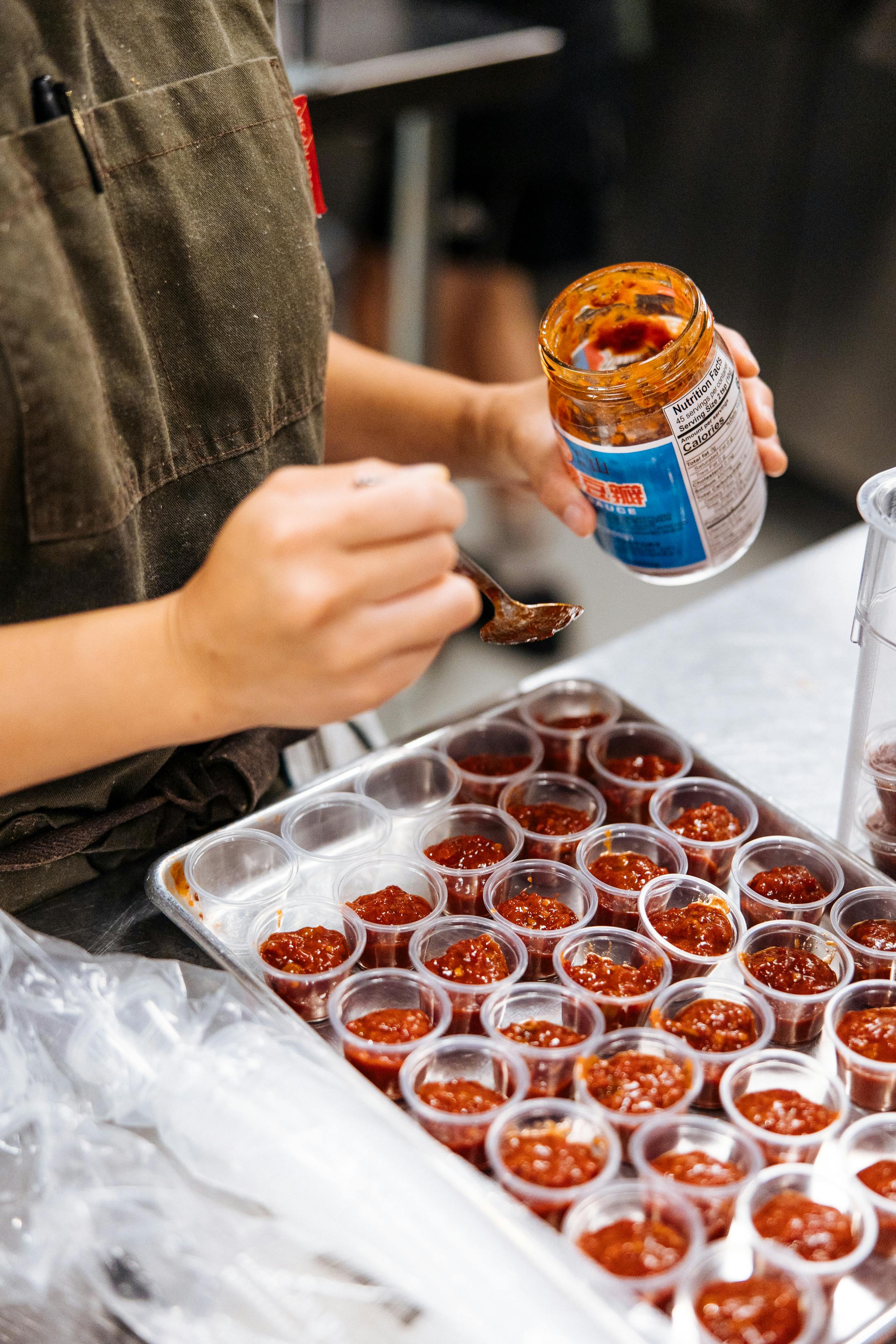
Opening a second restaurant is exciting. Opening a fifth is a different story. As restaurant groups expand across Australia, managing multiple kitchens can become increasingly complex. Recipes need to stay consistent, food costs need to be controlled and each location needs enough space to prepare, store and serve its menu efficiently.
At around five sites, the cracks can start to show. One kitchen may prepare a sauce differently from another, food waste can increase and chefs can spend valuable time on repetitive preparation rather than service and menu development.
This is where a central production unit (CPU) can make a difference.
What is a central production unit?
A central production unit (CPU) is a dedicated facility where a restaurant group can prepare core food components before distributing them to individual locations.
Depending on the operation, this could include sauces, marinades, prepared proteins, doughs, desserts and other ingredients or components that can be produced in batches.
Instead of each restaurant handling the same preparation independently, a CPU brings production together into a single controlled environment. Individual sites can then focus more of their kitchen capacity on finishing dishes, service and presentation.
Improve consistency across every location
One of the biggest challenges of running multiple restaurants is maintaining the same standard across all sites.
Each location has its own kitchen team, workflow and day-to-day pressures. Even with detailed recipes and training, small differences in preparation can gradually affect portion sizes, flavour and presentation.
A CPU can help reduce this variation by centralising the preparation of key components. The same recipes, processes and quality standards can be followed by a dedicated production team before these components are distributed to each restaurant.
For customers, that means a more consistent experience regardless of which location they visit.
Take greater control of food costs
Running several kitchens can also make procurement and food preparation more difficult to manage. Individual sites may order their own ingredients, prepare similar products separately and carry different levels of stock.
Centralising production gives restaurant groups greater control over purchasing and preparation. Larger-volume orders can improve purchasing efficiency, while batch production can reduce duplicate preparation across multiple kitchens.
Better demand planning can also help reduce food waste by making it easier to forecast production requirements and manage portions across the group.
Free up valuable kitchen space
Restaurant kitchens need to support service, but they can quickly become crowded when they are also being used for extensive preparation and storage.
Moving suitable prep and production activities into a dedicated CPU can free up space at individual locations. Instead of using valuable kitchen areas for bulk preparation, restaurants can focus their available space on cooking, finishing and serving customers.
This can be particularly useful in Australia’s major cities, where commercial property and suitable restaurant space can represent a high operating cost.
Make cold storage easier to manage
Storage can become a major operational challenge as a restaurant group grows.
Individual sites may have limited refrigeration and freezer capacity, making it difficult to hold enough prepared ingredients or stock. This can lead to frequent deliveries, cramped storage areas and less flexibility when planning production.
A dedicated production facility with appropriate cold storage can provide greater capacity for holding ingredients and prepared components. This allows production and distribution schedules to be planned around the needs of the wider restaurant group rather than the limitations of each kitchen.
Make opening new sites simpler
Expansion becomes more manageable when every new restaurant does not have to recreate the same production processes from scratch.
With a CPU in place, a new location can connect to established recipes, preparation processes and supply arrangements. Core components can be produced centrally while the new restaurant focuses on its own service and customer experience.
This can create a more scalable operating model, allowing restaurant groups to expand without adding the same level of preparation work to every new kitchen.
When should you consider a CPU?
There is no universal number of sites at which every restaurant group needs a central production unit. However, five locations can be a useful point to assess whether your current model is still working efficiently.
Signs that it may be time to consider centralised production include inconsistent food quality between locations, rising food costs, excessive food waste and kitchens struggling with storage or preparation space.
If senior chefs are spending more time solving operational issues than developing menus, training teams or improving the customer experience, your production model may also need a rethink.
What should you look for in a CPU?
Choosing the right facility is just as important as deciding to centralise production. You need sufficient capacity for your current requirements, with enough room to accommodate realistic future growth.
Consider the facility’s kitchen layout, storage capabilities, refrigeration and freezer capacity, accessibility and suitability for your distribution network. The aim is to create an efficient production workflow that supports your restaurants rather than adding another layer of complexity.
Build a more scalable restaurant operation
For restaurant groups with multiple locations, centralised production can help bring consistency, cost control and operational efficiency together. Rather than every kitchen duplicating the same preparation work, a CPU creates a dedicated production system that can support the wider business.
Chef Collective’s central production units provide Australian food businesses with dedicated space to centralise production and support their growing operations.
Whether you are already operating five or more locations or planning your next stage of expansion, a central production unit could provide the infrastructure you need to grow more efficiently.